Budapest City Guide

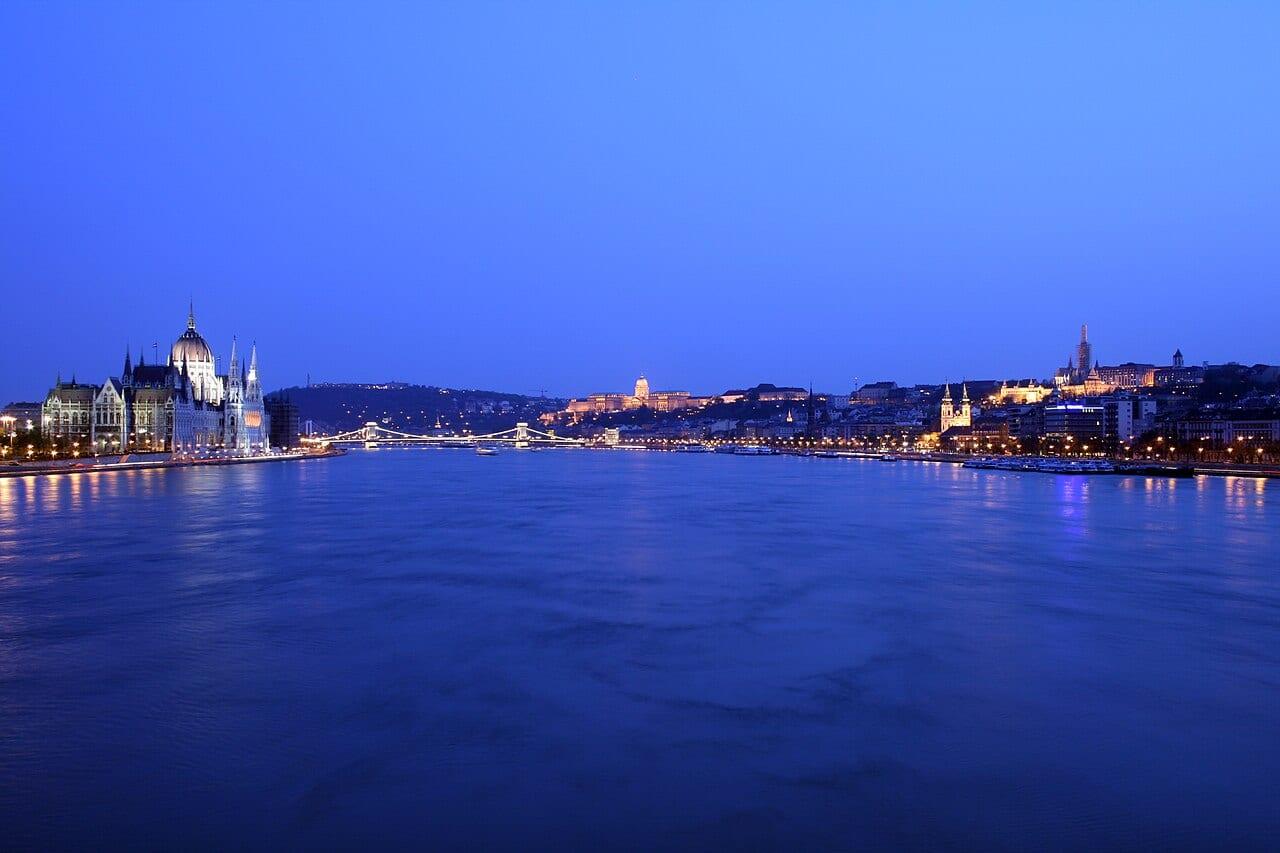
Budapest, Hungary's capital (~1.7 million in the city, ~3.3 million metro), straddles the Danube where the historic hills of Buda meet the flat commercial grandeur of Pest. The riverfront panorama, the neo-Gothic Parliament, the Buda Castle Quarter and the Danube embankments, is a UNESCO World Heritage Site, and Andrássy Avenue with its 1896 M1 metro (continental Europe's first underground) was added in 2002. Buda is leafy, hilly and residential; Pest is the dense, walkable urban core where commerce, nightlife and the bulk of the apartment stock concentrate. The city is the world's de-facto 'thermal-bath capital', sitting on 100+ hot springs that feed historic baths (Széchenyi, Gellért, Rudas), a year-round tourism driver behind one of Central Europe's strongest short-stay rental markets. Tourism, EU membership and comparatively low entry prices have made inner Pest a magnet for both lifestyle buyers and yield-seekers. Critically, Hungary uses the forint, NOT the euro, so euro-denominated returns carry currency risk. The market is in regulatory transition: a citywide moratorium on new short-term-rental registrations runs through 2026, District VI has enacted Hungary's first outright Airbnb ban (effective 1 January 2026), and the EU's STR registration regime applies from 20 May 2026. Note also that Hungary's Guest-Investor 'golden visa' no longer includes a direct residential-property option (the €500,000 route was abolished on 15 January 2025), buying an apartment does NOT grant residency. Prices have nonetheless risen sharply, Budapest was among Central Europe's fastest-appreciating capital markets in 2025.

Updated May 24, 20268 min read

About Budapest

Budapest, Hungary's capital (~1.7 million in the city, ~3.3 million metro), straddles the Danube where the historic hills of Buda meet the flat commercial grandeur of Pest. The riverfront panorama, the neo-Gothic Parliament, the Buda Castle Quarter and the Danube embankments, is a UNESCO World Heritage Site, and Andrássy Avenue with its 1896 M1 metro (continental Europe's first underground) was added in 2002. Buda is leafy, hilly and residential; Pest is the dense, walkable urban core where commerce, nightlife and the bulk of the apartment stock concentrate. The city is the world's de-facto 'thermal-bath capital', sitting on 100+ hot springs that feed historic baths (Széchenyi, Gellért, Rudas), a year-round tourism driver behind one of Central Europe's strongest short-stay rental markets. Tourism, EU membership and comparatively low entry prices have made inner Pest a magnet for both lifestyle buyers and yield-seekers. Critically, Hungary uses the forint, NOT the euro, so euro-denominated returns carry currency risk. The market is in regulatory transition: a citywide moratorium on new short-term-rental registrations runs through 2026, District VI has enacted Hungary's first outright Airbnb ban (effective 1 January 2026), and the EU's STR registration regime applies from 20 May 2026. Note also that Hungary's Guest-Investor 'golden visa' no longer includes a direct residential-property option (the €500,000 route was abolished on 15 January 2025), buying an apartment does NOT grant residency. Prices have nonetheless risen sharply, Budapest was among Central Europe's fastest-appreciating capital markets in 2025.

Location

Budapest, Budapest, Hungary

Showing this map loads it from Google Maps, which sets their own cookies on your device.

Unlock the full city guide. It's free.

You've read the preview. 3 more sections are open to Explorer members, instantly, with just an email.

No spam, no password, unsubscribe any time.

Already a member? Sign in

  • City highlights
  • Market data and outlook
  • Neighbourhoods to explore

Figures are indicative and subject to change. Regulations, taxes and market conditions vary by jurisdiction. Do your own due diligence and seek independent legal and financial advice.
All city guides