Hoi An City Guide
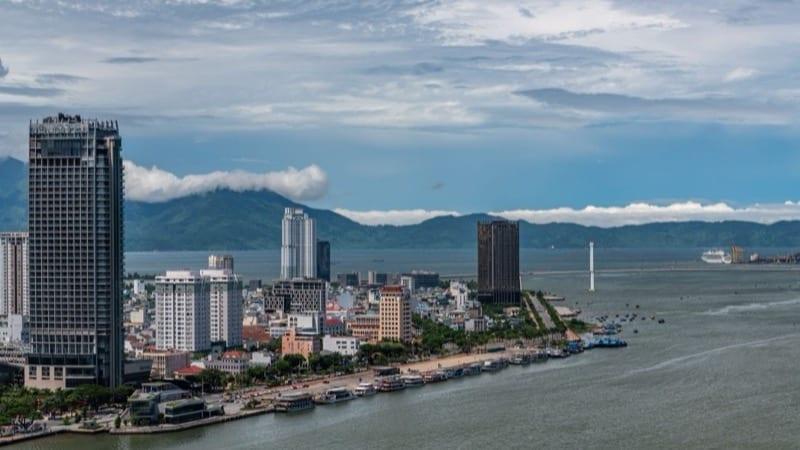
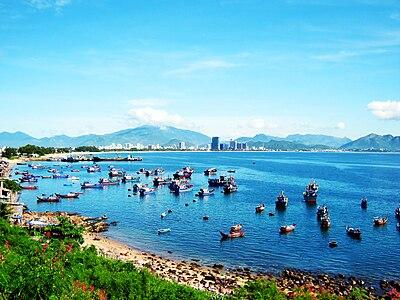
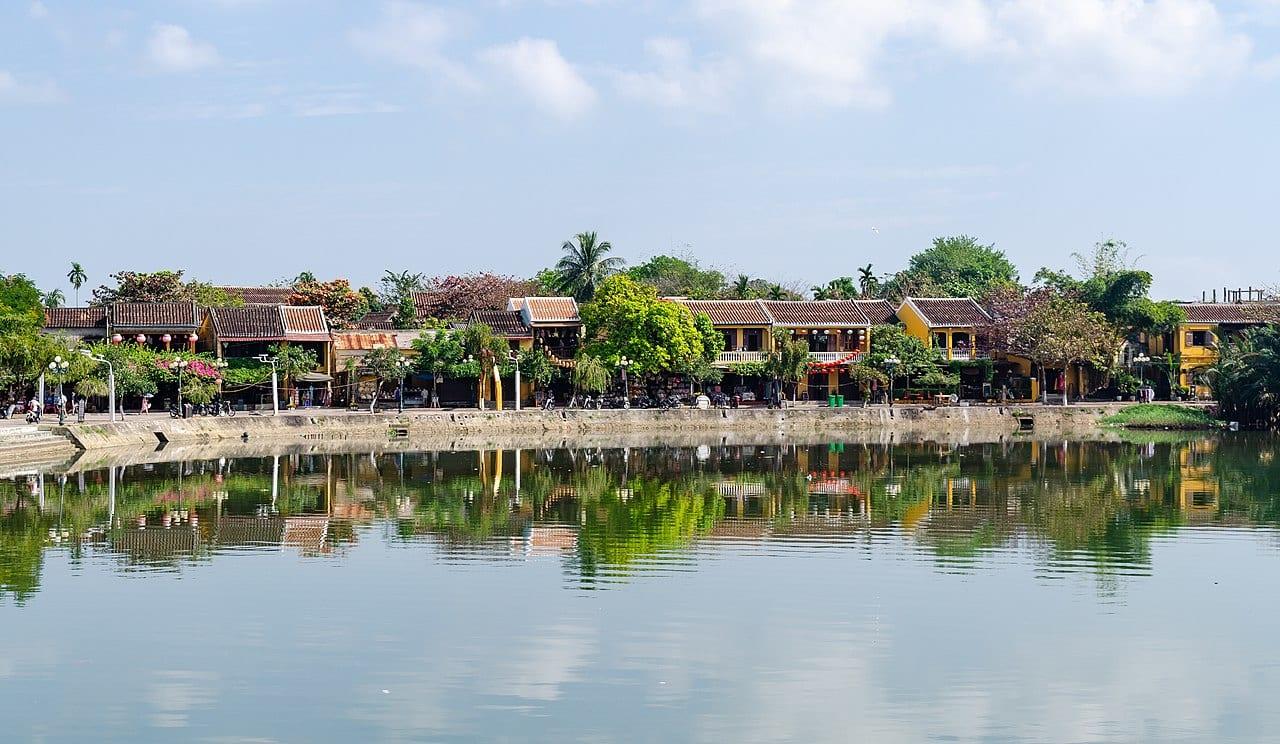
Hoi An, a UNESCO World Heritage Ancient Town on Vietnam's central coast, is one of the country's most distinctive lifestyle and tourism property markets. With a population of around 120,000 and a setting that blends a perfectly preserved 15th-century trading port, riverside lantern-lit streets and nearby beaches, the town anchors a golden tourist corridor linking it to the My Khe beaches, Ba Na Hills and the major coastal hub of Da Nang just to the north. The investment thesis is tourism cash flow rather than rapid appreciation: serviced apartments, holiday villas and short-term rentals dominate, with gross yields in the Quang Nam and Da Nang region running roughly 4.5-6%, higher than Hanoi or Ho Chi Minh City on paper, though tempered by seasonal tourism vacancy. Median house prices in the broader Quang Nam province sit near VND 4.3 billion (about USD 167,000), with prices per square metre around VND 73 million (USD 2,860). Vietnam's 2024 legal reforms clarified foreign ownership: overseas individuals may now own apartments and houses (but not land), subject to caps of 30% of any apartment building and 350 units per administrative ward, and leasehold-style certificates typically run 50 years. Investors should weigh real risks: foreign-ownership caps and the land-ownership prohibition, heavy dependence on tourism seasonality and arrivals, currency considerations around the dong, and conservation rules that restrict alteration of heritage properties in the protected Ancient Town.
Figures are indicative and subject to change. Regulations, taxes and market conditions vary by jurisdiction. Do your own due diligence and seek independent legal and financial advice.