Riga City Guide
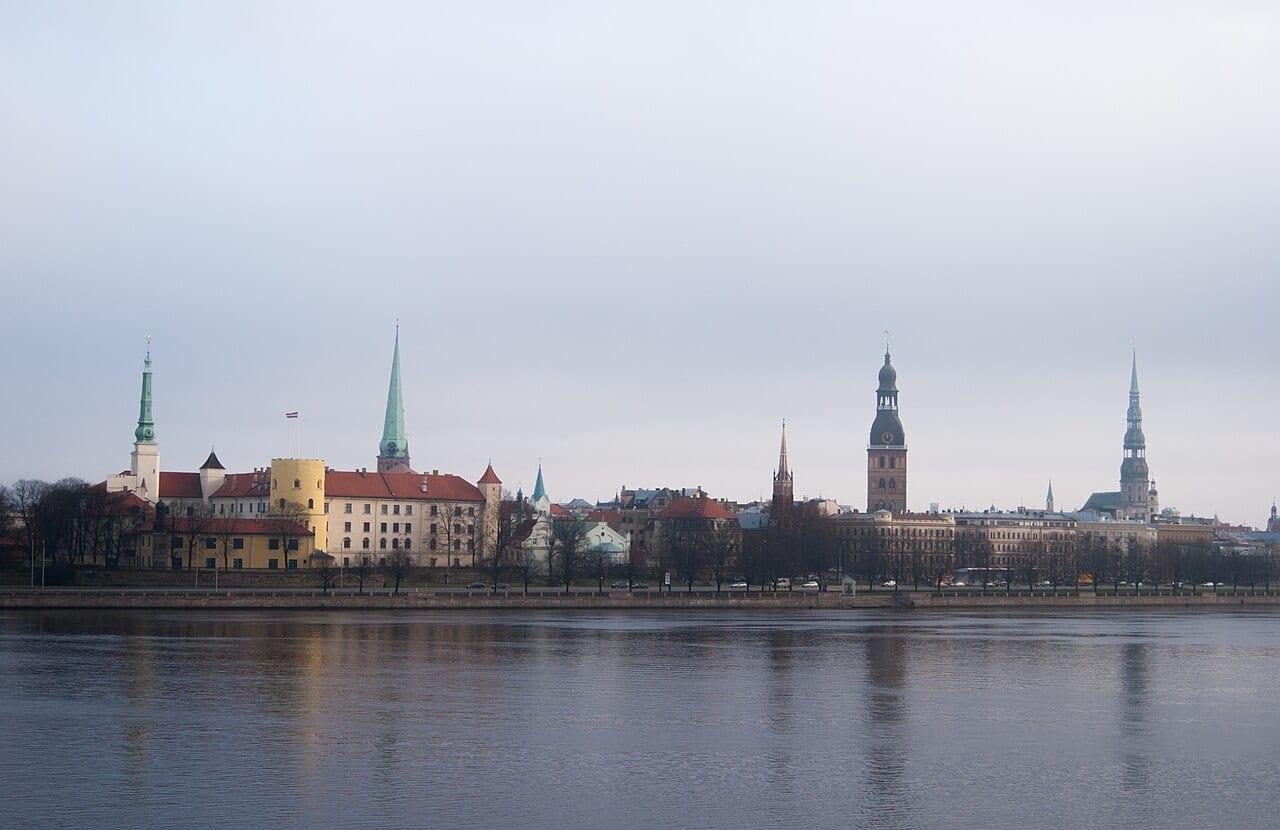
Riga is the capital of Latvia and the largest city in the Baltic states (~592,000 residents). As a full EU and eurozone member (Latvia adopted the euro in 2014), it offers foreign investors EU-grade legal protections, a euro-denominated market and a fast digital land register. Riga is best known for possessing the largest concentration of Art Nouveau (Jugendstil) architecture in the world, roughly a third of central buildings are Art Nouveau, with Alberta iela and Elizabetes iela holding some of Northern Europe's most ornate façades. Together with the medieval Old Town (Vecrīga), this central core forms a UNESCO World Heritage Site, genuine architectural scarcity at price points far below comparable Western heritage capitals. For investors, Riga is a value-and-yield market rather than a capital-growth play. Central renovated and new-build apartments trade at roughly €2,000–4,300/m² (exclusive Old Town and Quiet Centre stock reaching €5,000–7,000/m²), while the dominant Soviet-era 'series' apartment stock in the suburban microdistricts averaged just €865/m² in September 2025. Gross rental yields are among the highest of any EU capital, Global Property Guide put the Riga average at ~8.6% in 2025, though this headline is inflated by small peripheral units; realistic central-district yields are 6.7–7.6%. Latvia's residence-by-investment route remains open (minimum €250,000 in completed property plus a one-time 5% state duty; Russian and Belarusian applicants are excluded), a live driver of central demand, 201 investment-permit approvals in 2025, up ~35%. The bull case is tempered by real headwinds: demographic decline, a NATO-frontline geopolitical risk premium, and the loss of the traditional Russian/Belarusian buyer pool since 2022.
Figures are indicative and subject to change. Regulations, taxes and market conditions vary by jurisdiction. Do your own due diligence and seek independent legal and financial advice.